





Wallpaper Tax
In the early 1700's, during the reign of Queen Anne, patterned, painted or printed wallpaper became a cheaper alternative to hanging textiles, tapestries or timber panelling for inerior finishes. The Government as such saw it as an opportunity to raise revenue by introducing a tax on such patterened paper used as finishes.
The tax was even increased in early 1800, however buying plain paper avoided falling into the same tax bracket and as such, many people bought tax free plain paper and decorated it themselves byt hand or with stencils. The tax was eventually abolished in 1836, not long after the increase.
[edit] Related articles on Designing Buildings
Featured articles
Check out some of the best features and news from Designing Buildings as well as key stories from around the web.
Why construction can't afford to ignore the skills gap.
Building Safety Regulator, 19 August

Gill Kernick appointed Independent Chair of Residents’ Panel.
Connecting knowledge, technology and conservation
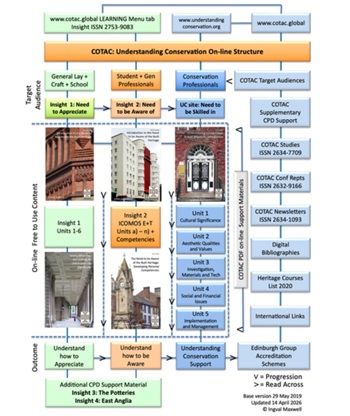
Building competence for the future of built heritage.
Building Regulations and Building Safety Act
CIOB publishes free advice for non-domestic clients.

Building Safety Newsletter from MHCLG.
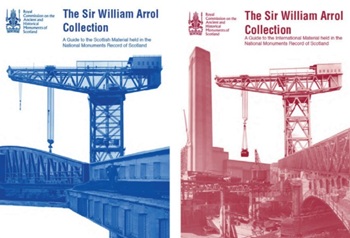
An extraordinary record of steel engineering worldwide.

Households living near new pylons to save on bills.

ECA warns growth must not outpace grid capacity or skills.
The role of the client and decision making

CIOB response to built environment professions call for evidence.
Construction's sustainability reporting revolution
Tracking upfront embodied carbon with digital tools.
ECA welcomes procurement reforms
Public spending must back British jobs and skills.
Campaigning for Edinburgh: the Cockburn Association 1875-2049
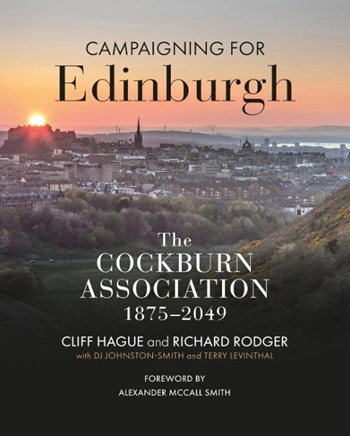
The role of the civic voice in protecting character. Book review.